Many people believe that earning a high salary requires a four-year college degree. While a college education can open many doors, it is no longer the only path to a successful career. Across the United States, thousands of professionals earn excellent incomes without attending a traditional university.
Today, employers are placing greater value on practical skills, work experience, certifications, and hands-on training. Industries such as skilled trades, healthcare, technology, transportation, and public safety offer rewarding careers that don’t always require a bachelor’s degree.
If you’re looking for a career with strong earning potential, job security, and opportunities for growth, there are plenty of options available. Whether you’re a recent high school graduate, changing careers, or simply want to avoid student loan debt, this guide will help you discover some of the best high-paying jobs without a degree.
What Are High-Paying Jobs Without a Degree?
High-paying jobs without a degree are careers that typically do not require a four-year bachelor’s degree for entry. Instead, employers may ask for:
- A high school diploma or GED
- A trade school certificate
- An apprenticeship
- Professional certifications
- On-the-job training
- Relevant work experience
Many of these careers allow you to start earning while learning, making them an attractive option for people who want to enter the workforce quickly.
Salary
Here are some of the highest-paying careers that usually don’t require a bachelor’s degree.
| Job Title | Average Annual Salary |
|---|---|
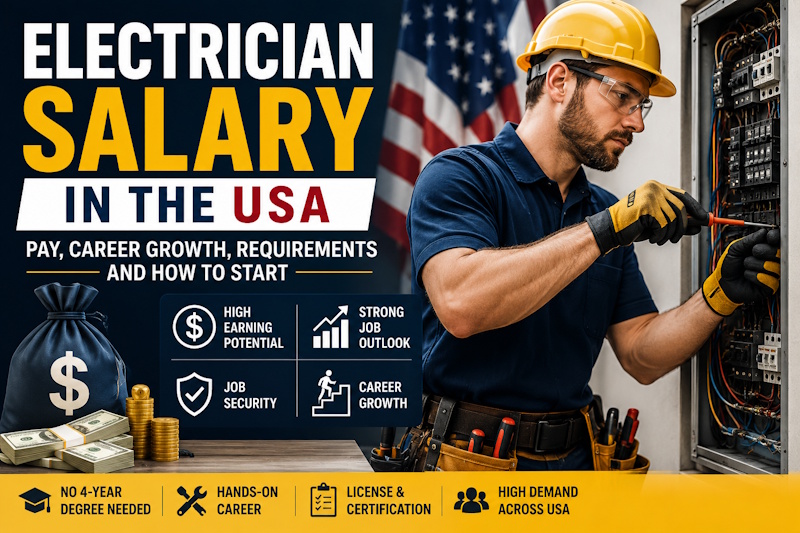
| Electrician | $60,000–$90,000 |
| Plumber | $60,000–$90,000 |
| HVAC Technician | $55,000–$85,000 |
| Commercial Pilot | $80,000–$150,000+ |
| Real Estate Agent | $60,000–$120,000+ |
| Wind Turbine Technician | $60,000–$95,000 |
| Elevator Installer | $80,000–$110,000 |
| Power Plant Operator | $75,000–$110,000 |
| Police Officer | $60,000–$100,000 |
| Firefighter | $55,000–$95,000 |
| Web Developer | $65,000–$120,000 |
| Cybersecurity Technician | $70,000–$110,000 |
| Medical Coder | $45,000–$75,000 |
| Construction Manager* | $70,000–$120,000 |
*Some employers may prefer a degree, while others promote experienced workers into management roles.
Requirements
The exact requirements depend on the career, but most jobs require one or more of the following:
- High school diploma or GED
- Vocational or trade school training
- Apprenticeship program
- State license (for certain professions)
- Industry certification
- Strong communication skills
- Basic computer knowledge
- Physical fitness (for some trades)
Skills Needed
Successful professionals in these careers often have the following skills:
Problem-Solving
Many jobs require identifying problems and finding practical solutions.
Communication
Working with customers, coworkers, and supervisors requires clear communication.
Technical Skills
Technology is used in almost every industry, so learning modern tools is a valuable asset.
Time Management
Meeting deadlines and staying organized can help you succeed in any career.
Adaptability
Technology and workplaces continue to evolve, making continuous learning important.
25 Best High-Paying Jobs Without a Degree
1. Electrician
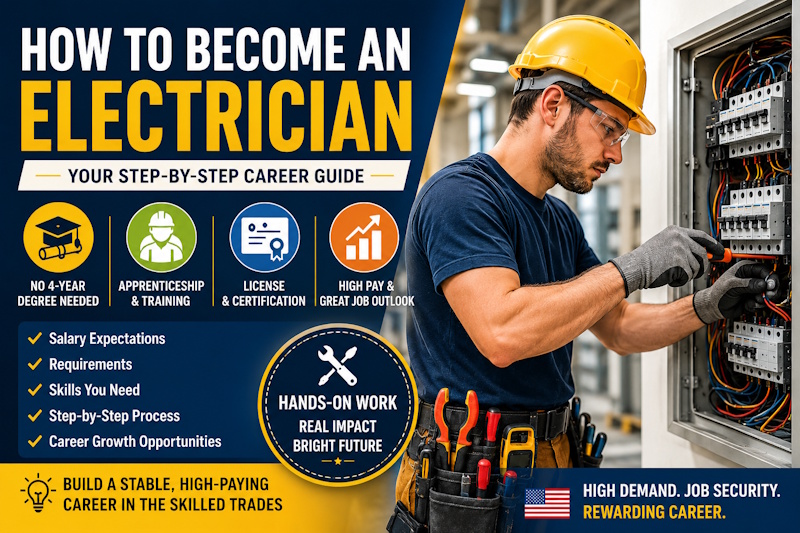
Electricians install, repair, and maintain electrical systems in homes and businesses. Apprenticeships provide paid training while learning the trade.
2. Plumber
Plumbers work with water, drainage, and piping systems. Skilled plumbers are in demand throughout the country.
3. HVAC Technician
HVAC technicians install and repair heating, ventilation, and air conditioning systems.
4. Commercial Pilot
Commercial pilots fly charter aircraft, cargo planes, and other non-airline flights. Specialized training and licensing are required.
5. Real Estate Agent
Licensed real estate agents help clients buy and sell properties. Earnings often depend on commissions.
6. Wind Turbine Technician
This fast-growing career focuses on installing and maintaining wind energy equipment.
7. Elevator Installer and Repairer
These professionals install, inspect, and repair elevators and escalators.
8. Power Plant Operator
Power plant operators monitor and maintain equipment that generates electricity.
9. Police Officer
Police officers protect communities, enforce laws, and respond to emergencies.
10. Firefighter
Firefighters respond to fires, rescue operations, and emergency medical situations.
11. Web Developer
Many web developers learn through coding bootcamps, certifications, or self-study rather than earning a degree.
12. Cybersecurity Technician
Cybersecurity professionals help protect computer systems from cyber threats.
13. Medical Coder
Medical coders convert healthcare records into standardized billing codes.
14. Construction Supervisor
Experienced workers can advance into supervisory roles with higher salaries.
15. Solar Panel Installer
Solar energy continues to grow, creating demand for installation professionals.
16. Aircraft Mechanic
Aircraft mechanics inspect, maintain, and repair airplanes and helicopters.
17. Truck Driver
Long-haul and specialized truck drivers can earn competitive salaries with the proper commercial driver’s license (CDL).
18. Industrial Maintenance Technician
These technicians maintain machinery used in factories and manufacturing facilities.
19. Railway Conductor
Railway conductors coordinate train operations and ensure passenger and cargo safety.
20. Court Reporter
Court reporters create accurate transcripts of legal proceedings using specialized equipment.
21. Cable Installer
Cable installers work with internet, television, and communication systems.
22. Carpenter
Skilled carpenters build and repair homes, offices, and commercial buildings.
23. Heavy Equipment Operator
Operators use bulldozers, excavators, cranes, and other large machinery on construction projects.
24. Automotive Service Technician
Auto technicians diagnose and repair cars, trucks, and SUVs.
25. Digital Marketing Specialist
Many employers value practical experience, certifications, and proven skills more than a traditional degree.
Pros and Cons
Pros
- No need for a four-year college degree
- Lower education costs
- Start earning sooner
- High job demand
- Opportunities for promotions
- Hands-on career options
- Good long-term earning potential
Cons
- Some jobs require physical labor
- Licensing or certifications may be necessary
- Shift work is common in certain industries
- Continuous learning is important
- Income may vary based on experience and location
How to Start
Step 1: Choose a Career
Research industries that match your interests and strengths.
Step 2: Learn the Requirements
Understand what training, certification, or licensing is needed.
Step 3: Complete Training
Attend a trade school, vocational program, apprenticeship, or certification course if required.
Step 4: Gain Experience
Look for internships, apprenticeships, or entry-level positions to build practical skills.
Step 5: Continue Learning
Stay updated with new technologies and industry standards to increase your earning potential.
Best Platforms and Companies
You can search for opportunities using popular job platforms such as:
- Indeed
- LinkedIn Jobs
- ZipRecruiter
- Glassdoor
- CareerBuilder
- USAJobs (for eligible government positions)
Many employers also advertise openings directly on their company career pages.
Final Thoughts
A four-year college degree is no longer the only path to financial success. Many careers offer excellent salaries, long-term job security, and opportunities for advancement through apprenticeships, certifications, and hands-on experience.
Whether you’re interested in skilled trades, technology, healthcare support, transportation, or public service, there are many high-paying jobs available without a bachelor’s degree. The key is choosing a career that fits your interests, developing valuable skills, and committing to continuous learning throughout your career.
Frequently Asked Questions (FAQs)
What is the highest-paying job without a degree?
Commercial pilots, elevator installers, power plant operators, and experienced skilled trades professionals are among the highest-paying careers that don’t typically require a bachelor’s degree.
Can I earn over $100,000 without a college degree?
Yes. Many electricians, real estate agents, commercial pilots, business owners, and specialized technicians earn six-figure incomes through experience and certifications.
Which trade job pays the most?
Elevator installers, electricians, power plant operators, and industrial technicians are often among the highest-paying skilled trades.
Are certifications better than a degree?
It depends on your career goals. In many industries, certifications and practical experience can be just as valuable as a traditional college degree.
Are high-paying jobs without a degree in demand?
Yes. Skilled trades, healthcare support, renewable energy, transportation, and technology continue to experience strong demand across the United States.